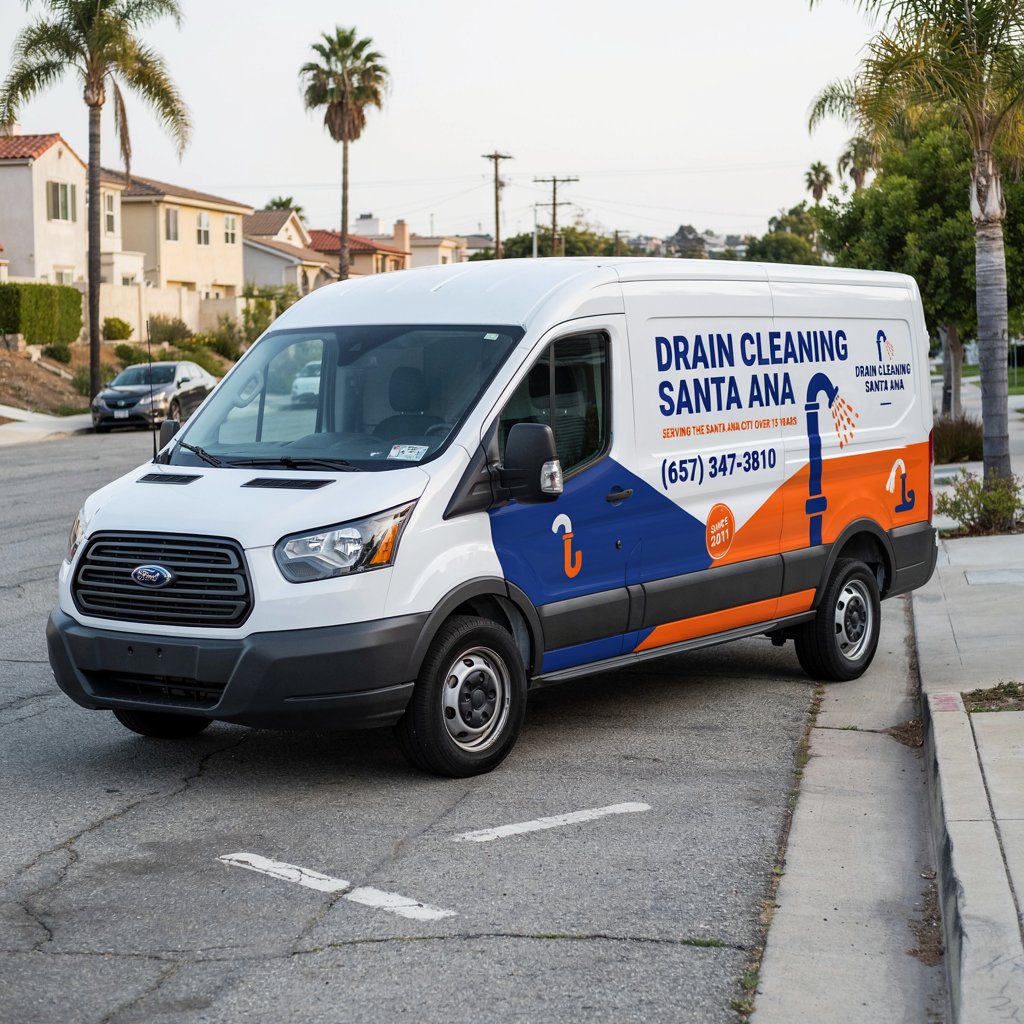
Grease Interceptor Cleaning in Santa Ana, CA
Imagine your pumping frequency creeping up month after month even though your kitchen's volume hasn't changed. That's usually a sign the interceptor itself is undersized, not that something's suddenly gone wrong.
A Much Bigger Cousin of the Grease Trap
Picture the difference in scale here: a grease trap is a small point-of-use unit, often 20 to 50 gallons, that a technician can service by hand under a sink in minutes. A grease interceptor is an entirely different piece of infrastructure, typically 500 to several thousand gallons, installed underground or in an outdoor enclosure and plumbed to serve an entire high-volume kitchen's wastewater line. Servicing it requires a vacuum pump truck, not a hand scoop, and it's the code-required unit for larger operations rather than an optional upgrade.
Here's the scenario worth planning around: local sanitation district rules require pumping once accumulated grease and solids reach 25% of the unit's liquid depth, same threshold logic as a smaller trap, but at interceptor scale, that accumulation happens on a schedule tied directly to your kitchen's actual output. We track your facility's accumulation rate over a few service cycles and set a fixed interval from that data, so you're never guessing whether this month is the month to call. Turning that accumulation data into a fixed, dependable schedule is exactly the service Santa Ana's grease and drain specialists provide.
A Pump-Out From Arrival to Manifest
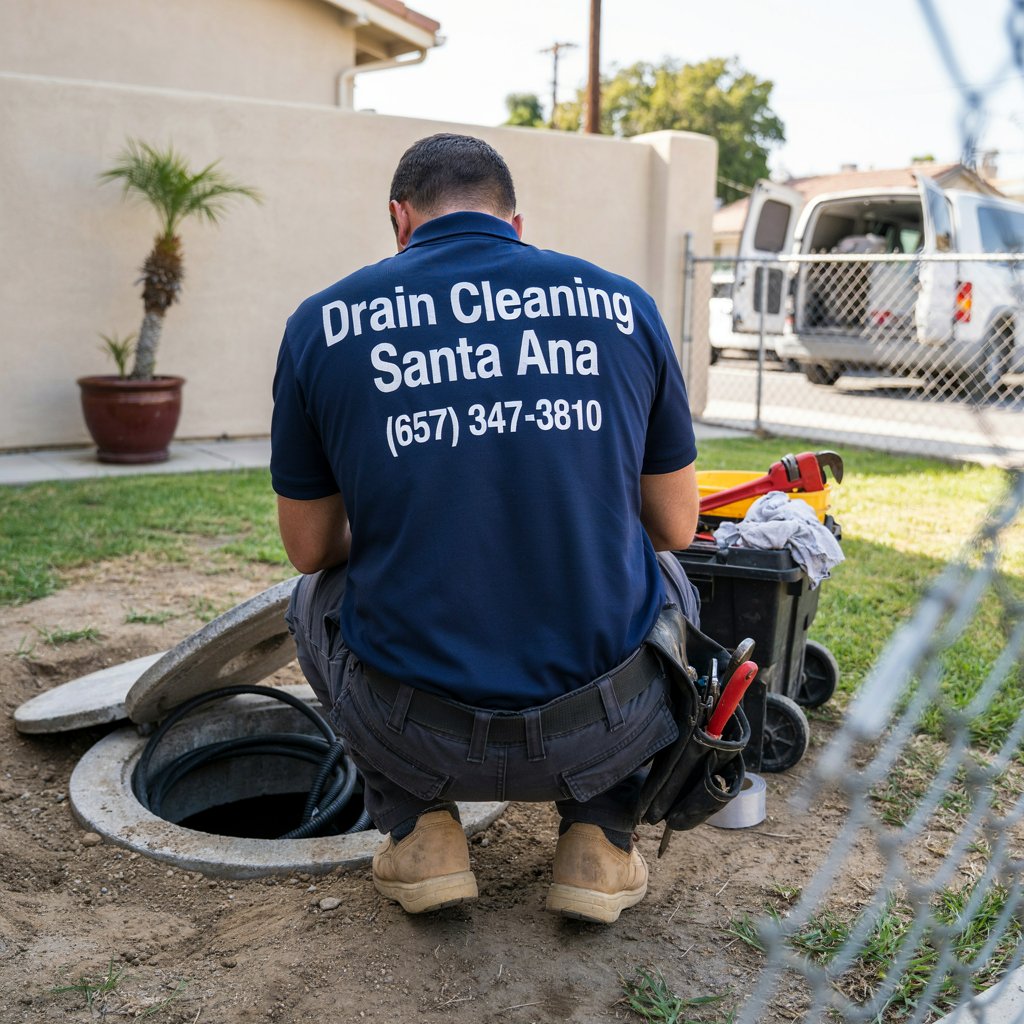
Walk through what a scheduled visit looks like. Our vacuum pump truck arrives during your slower operating hours or an early morning window, timed so the crew is off site before service ramps up. We access the interceptor, measure accumulated grease and solids against the tank's rated capacity, and pump it fully, moving through the unit's baffle chambers to clear what's actually settled rather than just what's visible at the surface.
Once pumping is complete, you get signed, licensed waste-hauling manifest documentation on the spot, showing volume removed, disposal location, and service date. That's the piece of paper a health department or sanitation district auditor will ask for, and we keep a copy on file so your service history is always pullable, not something you have to hunt down from a previous visit.
Budgeting for Interceptor Service
Tank size, accessibility, and accumulated volume are what actually move the price here.
| Situation | Scope | Price Range |
|---|---|---|
| Mid-size underground interceptor | Standard scheduled pump-out | $395 to $875 |
| Recurring scheduled service | Per-visit rate on a set interval | Lower than one-off calls |
| Large-capacity unit or emergency | Same-day priority service | Higher, quoted per situation |
If your pumping frequency has been creeping up despite steady kitchen volume, that's worth flagging when you book. It's often a sign the unit itself is undersized, which we'll assess and tell you plainly rather than just keep pumping on an ever-tightening schedule.
A Scenario Worth Watching For
Imagine two kitchens with identical volume, one on a stable 75-day pump cycle, the other needing service every 45 days and dropping. That second kitchen isn't doing anything wrong operationally, its interceptor is very likely undersized for what the kitchen actually produces, sized against an older menu or lower meal count that no longer reflects current operations. Uniform Plumbing Code sizing tables account for flow rate, meal counts, and connected fixtures, and a kitchen that's expanded its menu or added equipment since installation can easily outgrow its original unit.
Beyond a shrinking pump cycle, watch for grease odor near the interceptor access point between scheduled services, or any slow drainage in the kitchen that doesn't resolve with routine cleaning. Both can point to an interceptor already past its effective capacity before the next scheduled pump-out arrives.
What High-Volume Kitchens Have Found
"Our pump cycle kept shrinking and we assumed it was just how it works. They checked the sizing and confirmed we'd outgrown our interceptor years ago."
Restaurant Group, Santa Ana
"Manifests are handed to us on the spot now. Health inspection went smoothly with everything already documented."
Kitchen Manager, Santa Ana
"Scheduled early morning before our lunch rush every time. Never once interfered with service."
Restaurant Owner, Santa Ana
Built for High-Volume Kitchens
Data-Driven Scheduling
We track your accumulation rate over cycles and set a fixed interval, not a generic default.
Manifests, Every Visit
Signed waste-hauling documentation handed over on the spot, ready for any audit.
We Check the Sizing, Not Just the Schedule
A shrinking pump cycle gets investigated as a possible sizing issue, not just pumped more often.
Frequently Asked Questions
What's the difference between an interceptor and a grease trap?
A grease trap is a small point-of-use unit, often 20 to 50 gallons, installed under or near a single sink to serve a small kitchen. A grease interceptor is a much larger unit, typically 500 to several thousand gallons, installed underground or outdoors and plumbed to serve an entire high-volume kitchen's wastewater line. Interceptors require pump-truck service, not a hand-scoop, and are the code-required unit for larger operations.
How often does a grease interceptor need pumping?
Most Santa Ana interceptors need pumping every 60 to 90 days, though high-volume operations like large restaurants and food halls often need monthly service. Local sanitation district rules require pumping once accumulated grease and solids reach 25% of the unit's liquid depth. We track your facility's accumulation rate over a few cycles and set a fixed schedule so you're never guessing.
How much does grease interceptor cleaning cost?
Standard pumping on a mid-size underground interceptor typically runs $395 to $875 per visit, with recurring scheduled service priced lower per visit than one-off calls. Large-capacity units and emergency same-day service run higher. Final pricing depends on tank size, accessibility, and how much grease and solids have accumulated since the last pump-out.
Do you provide waste manifests?
Yes. Every pump-out includes signed, licensed waste-hauling manifest documentation showing volume removed, disposal location, and service date, ready to hand over for a health department or sanitation district audit. We keep a copy on file so you can pull your service history at any time.
What size interceptor does our facility need?
Sizing follows Uniform Plumbing Code tables based on your kitchen's flow rate, meal counts, and number of connected fixtures such as prep sinks, dishwashers, and floor drains. Higher meal volumes and more fixtures require a larger unit. We assess your kitchen's actual service volume and cross-check it against your current unit's rated capacity to confirm it's still sized correctly as your business has grown.
Can an undersized interceptor cause ongoing problems?
Yes. An undersized unit reaches the 25% accumulation threshold quickly, forcing more frequent pump-outs than your budget accounts for, and it's more prone to grease carryover into the sewer lateral, which can trigger sanitation district violations and backups. If your pumping frequency keeps climbing even with steady kitchen volume, we check whether the unit itself is undersized for your operation.
How is an interceptor different from a grease trap physically?
Physically, interceptors are large precast concrete or fiberglass tanks installed underground or in an outdoor enclosure, with multiple baffle chambers that give grease and solids a longer retention time to separate from the water. Grease traps are small steel or plastic boxes that sit indoors under or near a sink. Servicing an interceptor requires a vacuum pump truck; a trap can be serviced by hand in minutes.
Is this covered by a guarantee?
Yes. Every interceptor pump-out and cleaning is backed by our workmanship guarantee. If an issue traces back to how the service was performed, we return and correct it at no charge. We also stand behind the accuracy of our manifest documentation for your compliance records.
How long does pumping take?
Most standard underground interceptor pump-outs take 45 to 90 minutes depending on tank size and truck access. We schedule around your slower operating hours or early morning windows so the crew is off site before service ramps up, and larger or harder-to-access units are quoted with a realistic time estimate up front.
Get Your Interceptor on a Schedule That Actually Fits
Tell us your current pump cycle and kitchen volume, and we'll confirm whether your schedule, or your unit's sizing, needs a second look.
Every Drain Cleaning Service We Offer in Santa Ana, CA
For Homes
- ✓ Clogged Drain Clearing
- ✓ Drain Snaking
- ✓ Hydro Jetting
- ✓ Video Camera Drain Inspection
- ✓ Root Removal
- ✓ Sewer Line Cleaning
- ✓ Bathroom Drain Cleaning
- ✓ Kitchen Drain Cleaning
- ✓ Toilet Drain Cleaning
- ✓ Laundry Drain Cleaning
- ✓ Basement Drain Cleaning
- ✓ Roof Drain Cleaning
- ✓ Downspout Drain Cleaning
- ✓ Preventative Drain Maintenance
- ✓ Emergency Drain Cleaning
- ✓ Drain Odor Diagnosis and Removal
- ✓ Slow Drain Diagnosis and Repair
- ✓ Vent Stack Cleaning
- ✓ Water Leak Detection
- ✓ Floor Drain Cleaning
For Businesses
Where We're Based
Based at 1620 Palm St in Santa Ana, CA. Our pump trucks regularly service restaurants, food halls, and institutional kitchens throughout Santa Ana and the surrounding Orange County area.