Grease Trap Cleaning in Santa Ana, CA
A grease trap that's past the industry-standard 25% fill line stops protecting your kitchen and starts becoming a liability. We pump it on a schedule that matches your actual volume, with documentation for your health inspector.
Understanding the 25% Rule
Grease trap maintenance in the food service industry runs on a widely recognized benchmark: the 25% rule, which says a trap should be pumped once fats, oils, and grease (FOG) plus solids reach a quarter of its total depth. Past that point, the trap's actual capture efficiency drops fast, and the difference between servicing at 20% and letting it ride to 60% isn't a small one. It's the difference between a trap doing its job and one that's actively passing grease downstream into your lateral line.
Here's why this matters beyond just avoiding a mess: a grease trap is a point-of-use unit, typically under 50 gallons, installed under a sink or just outside the kitchen. It's a different piece of equipment than a grease interceptor, the much larger underground unit serving higher-volume operations. Both need regular service, but a smaller trap with less buffer capacity tends to fill faster relative to its size, which is exactly why fryer-heavy kitchens often need attention more frequently than the interval a bigger operation gets away with. Setting the right interval for your specific kitchen, not a generic default, is exactly what Santa Ana's commercial drain team works out with you.
What a Service Visit Includes
Here's the standard visit sequence:
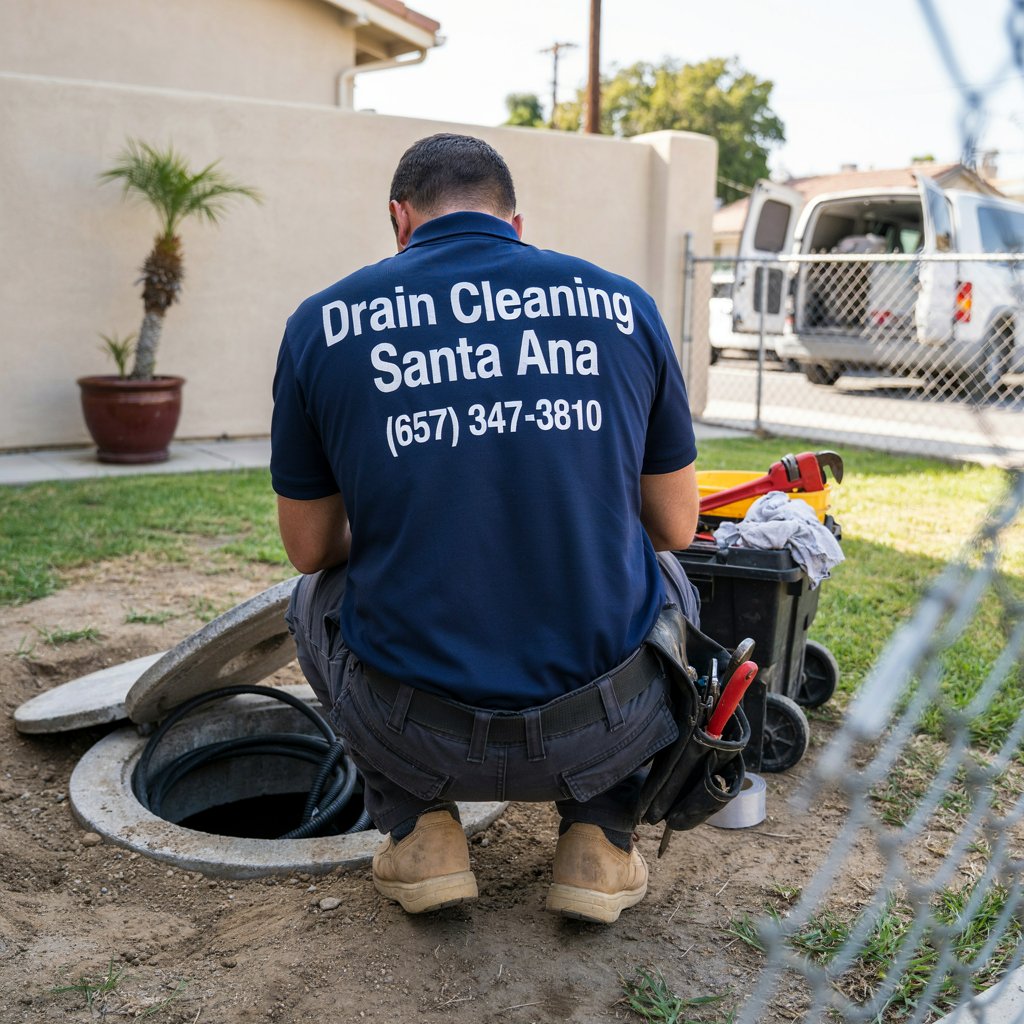
- Measure current FOG and solids depth against the trap's total capacity before pumping anything.
- Pump the trap fully, not partially, removing grease, solids, and wastewater together.
- Inspect baffles and the inlet and outlet fittings for damage or wear while the trap is empty.
- Haul removed waste to a licensed disposal facility, never dumped on-site or into the storm system.
- Provide a service record documenting the visit, useful for health inspection and your own maintenance file.
We schedule around your kitchen's actual rhythm, before opening, after close, or during a known slow window, so service doesn't collide with prep or a rush. Recurring accounts get a standing time slot, which means this happens automatically without anyone on your team needing to remember to call.
What to Expect on the Invoice
A standard pump-out runs $145 to $310, with the exact number depending on trap size, how long it's been since the last service, and whether we're clearing an active backup rather than routine maintenance. Recurring accounts are priced lower per visit than one-off calls, since we're planning around a known schedule instead of unplanned dispatch.
- Flat rate quoted before work begins, confirmed against trap size and condition.
- No surprise line items added once the truck is on-site.
- Recurring accounts see a reduced per-visit rate compared to booking each visit separately.
- Disposal documentation included at no extra charge if your health inspector or landlord requires it.
Kitchens that let a trap go well past the 25% threshold sometimes need extra time for a more thorough pump and inspection, which we'll flag before starting rather than mid-job.
Checklist: Is Your Trap Overdue?
Run through this during your next kitchen walkthrough:
- Kitchen sinks draining noticeably slower than usual, particularly near close of a busy shift.
- A rancid or sour odor near the sink area that wasn't there before.
- No documented service record you can point to from the last 60 to 90 days.
- A recent increase in fryer volume or menu changes that weren't factored into your current schedule.
- Any prior comment from a health inspector about maintenance history or documentation.
If two or more of these apply, that's a reasonable signal to move up your next service date rather than wait for the scheduled one. Santa Ana's restaurant corridors along Fourth Street and Bristol Street see enough kitchen density that we recommend erring toward more frequent service rather than less for any high-volume operation in those areas.
What Restaurant Owners Have Said
"Health inspection used to be a scramble to find our last service record. Now it's just a folder we hand over, no stress."
Restaurant Owner, Santa Ana
"They come before we open so it never interferes with prep. Set it and forget it, exactly what we needed."
Kitchen Manager, Santa Ana
"Reassessed our schedule after we added a second fryer. Would have kept us on the old interval otherwise and we'd have been overdue constantly."
Restaurant Owner, Santa Ana
Built Around Restaurant Operations
Scheduled Around Service Hours
Before opening, after close, or during a slow window, whatever fits your kitchen's actual rhythm.
Compliant Disposal, Every Time
Waste goes to a licensed facility, never dumped on-site, with documentation available if you need it.
Intervals Based on Your Volume
We recommend a schedule based on your kitchen's actual output, not a generic default that doesn't fit.
Frequently Asked Questions
What's the difference between a grease trap and a grease interceptor?
A grease trap is a small, point-of-use unit installed under a sink or just outside the kitchen, typically handling under 50 gallons, common in cafes, food trucks, and smaller kitchens. A grease interceptor is a much larger, usually underground unit that serves higher-volume kitchens and is often required by code at that scale. We service both, but this page covers grease trap cleaning specifically.
How often does a grease trap need cleaning?
Most Santa Ana kitchens need service every 30 to 90 days, based on the industry standard 25% rule: pumping the trap once grease and solids reach a quarter of its total depth. Fryer-heavy kitchens, high-volume restaurants, and undersized traps often need monthly visits, while lighter-volume cafes can sometimes stretch to a quarterly schedule.
How much does grease trap cleaning cost?
A standard grease trap pump-out in Santa Ana typically runs $145 to $310, with recurring accounts priced lower per visit. Exact pricing depends on trap size, how long it's been since the last service, and whether we're clearing an active backup. We quote a flat rate before any work begins, no surprise line items on the invoice.
What happens if a trap isn't cleaned regularly?
Neglected traps fill past capacity and start passing FOG downstream, where it cools and solidifies inside your lateral line. That leads to slow kitchen drains, rancid odors near the sink, and eventually a full backup, usually during service, which is the worst possible time. Chronic neglect can also trigger surcharges or violations from the local wastewater agency.
Is this required by health department regulations?
Yes. Food-service establishments in Santa Ana fall under local FOG (fats, oils, and grease) discharge control requirements enforced through the county sanitation district, and health inspectors routinely check for a documented maintenance history. Keeping your trap on a regular schedule with paperwork to show for it is part of staying in good standing on both fronts.
How is the removed grease disposed of?
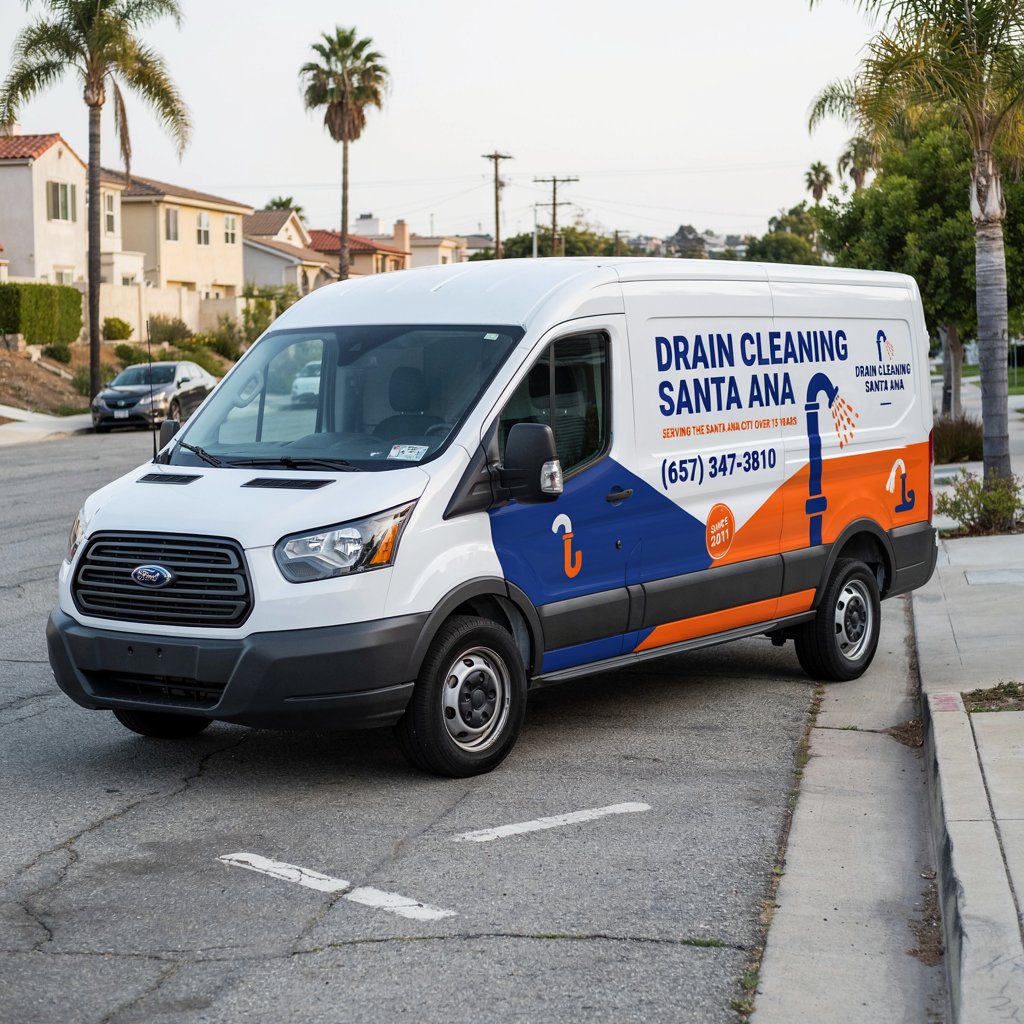
Pumped waste is hauled off in our service vehicle and disposed of at a licensed waste-processing facility in accordance with local and state regulations. We never dump grease waste on-site or into the storm system, and we can provide disposal documentation alongside your service record if your health inspector or landlord requires it.
Can you set up a recurring schedule?
Yes, and most of our commercial accounts run this way. We'll assess your kitchen's volume and trap size, recommend a realistic interval, and put you on a recurring route so service happens automatically, no need to remember to call. Recurring accounts also get a reduced per-visit rate compared to one-off calls.
Is grease trap cleaning covered by a guarantee?
Yes. If a trap we've serviced backs up or shows signs of incomplete pumping within the guarantee period, we return and correct it at no extra charge. We stand behind the workmanship on every visit, not just the ones with a big invoice attached.
Can service happen outside our kitchen hours?
Yes. We regularly schedule grease trap service before opening, after close, or during slow windows so it doesn't interfere with prep or service. Just let us know your kitchen's rhythm when you book, and we'll build the route around it, and recurring accounts can lock in a standing time slot.
Get Your Grease Trap on a Schedule That Fits
Tell us your kitchen's volume and current schedule, and we'll set an interval based on the 25% rule instead of a generic default.
Every Drain Cleaning Service We Offer in Santa Ana, CA
For Homes
- ✓ Clogged Drain Clearing
- ✓ Drain Snaking
- ✓ Hydro Jetting
- ✓ Video Camera Drain Inspection
- ✓ Root Removal
- ✓ Sewer Line Cleaning
- ✓ Bathroom Drain Cleaning
- ✓ Kitchen Drain Cleaning
- ✓ Toilet Drain Cleaning
- ✓ Laundry Drain Cleaning
- ✓ Basement Drain Cleaning
- ✓ Roof Drain Cleaning
- ✓ Downspout Drain Cleaning
- ✓ Preventative Drain Maintenance
- ✓ Emergency Drain Cleaning
- ✓ Drain Odor Diagnosis and Removal
- ✓ Slow Drain Diagnosis and Repair
- ✓ Vent Stack Cleaning
- ✓ Water Leak Detection
- ✓ Floor Drain Cleaning
For Businesses
Where We're Based
Based at 1620 Palm St in Santa Ana, CA. We run daily grease trap routes throughout Santa Ana and into Tustin, Orange, and Garden Grove, so most commercial calls get a same-week appointment.